

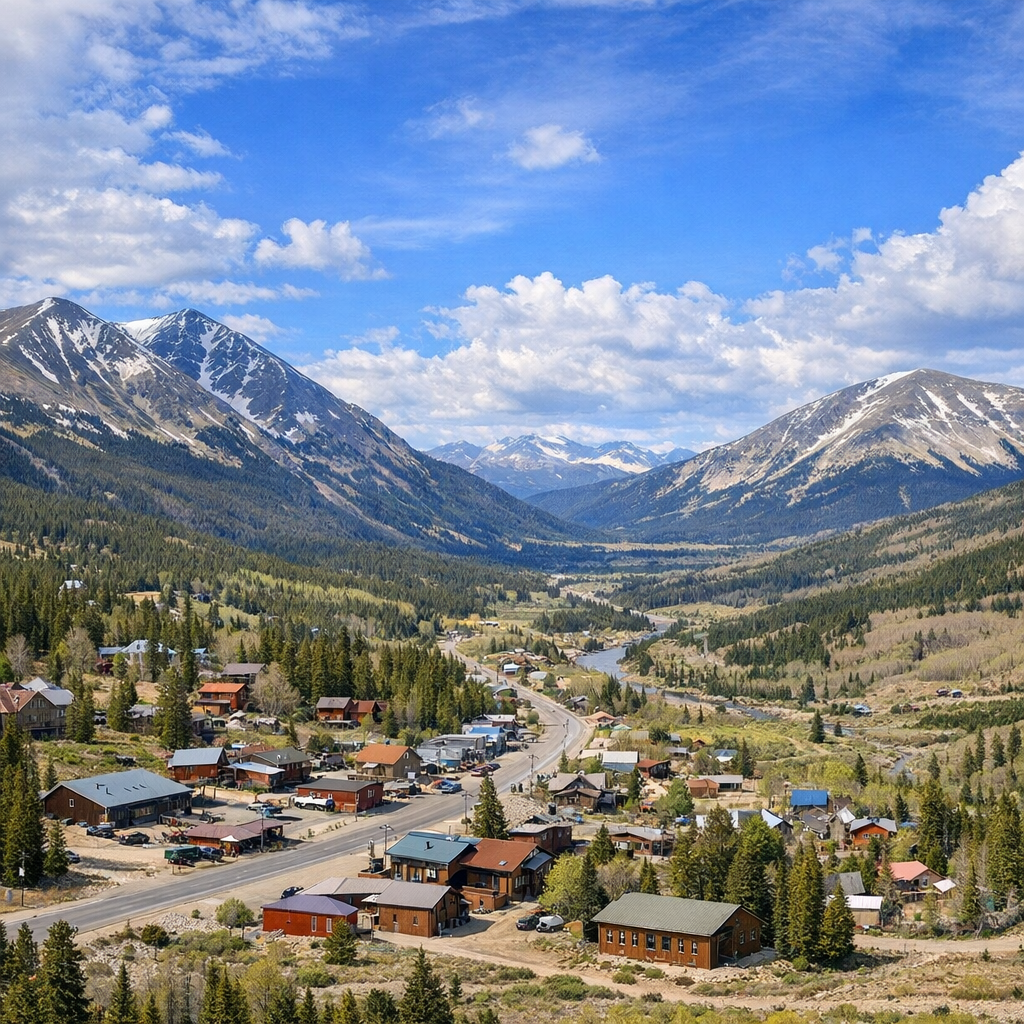
Alma, Colorado, nestled at an elevation of approximately 10,578 feet, experiences a subarctic climate characterized by cool summers and year-round precipitation. Understanding these patterns is essential for residents to adapt and thrive in our unique environment.
Seasonal Overview
Winter
Winters in Alma are cold and snowy, typically lasting from late October through April. Average high temperatures hover around 30°F, with lows often dipping to 5°F. Snowfall is common, contributing to the town’s picturesque winter landscape.
Spring
Spring is brief but pleasant, with cool days and cold nights. Temperatures gradually rise, preparing the area for the warmer months ahead.
Summer
Summers are mild, with average high temperatures reaching 70°F in July. Nights remain cool, providing a comfortable respite from the day’s warmth. July and August are the wettest months, primarily due to afternoon thunderstorms.
Autumn
Autumn mirrors spring with its short duration and cool temperatures. The season offers crisp air and vibrant foliage, making it a favorite for many residents.
Precipitation and Humidity
Alma receives an average annual precipitation of approximately 19.9 inches. July stands out as the wettest month, averaging 3.39 inches of rainfall. Humidity levels fluctuate throughout the year, with February being the most humid month at 89%, and June the least at 52%.
Adapting to Alma’s Climate
Given the town’s high elevation and unique climate, residents should be prepared for sudden weather changes. Dressing in layers is advisable to accommodate temperature fluctuations. Additionally, staying informed about local weather forecasts can help in planning daily activities and ensuring safety during extreme conditions.
Understanding and respecting Alma’s climate not only enhances our daily lives but also fosters a deeper connection to the environment we call home.