

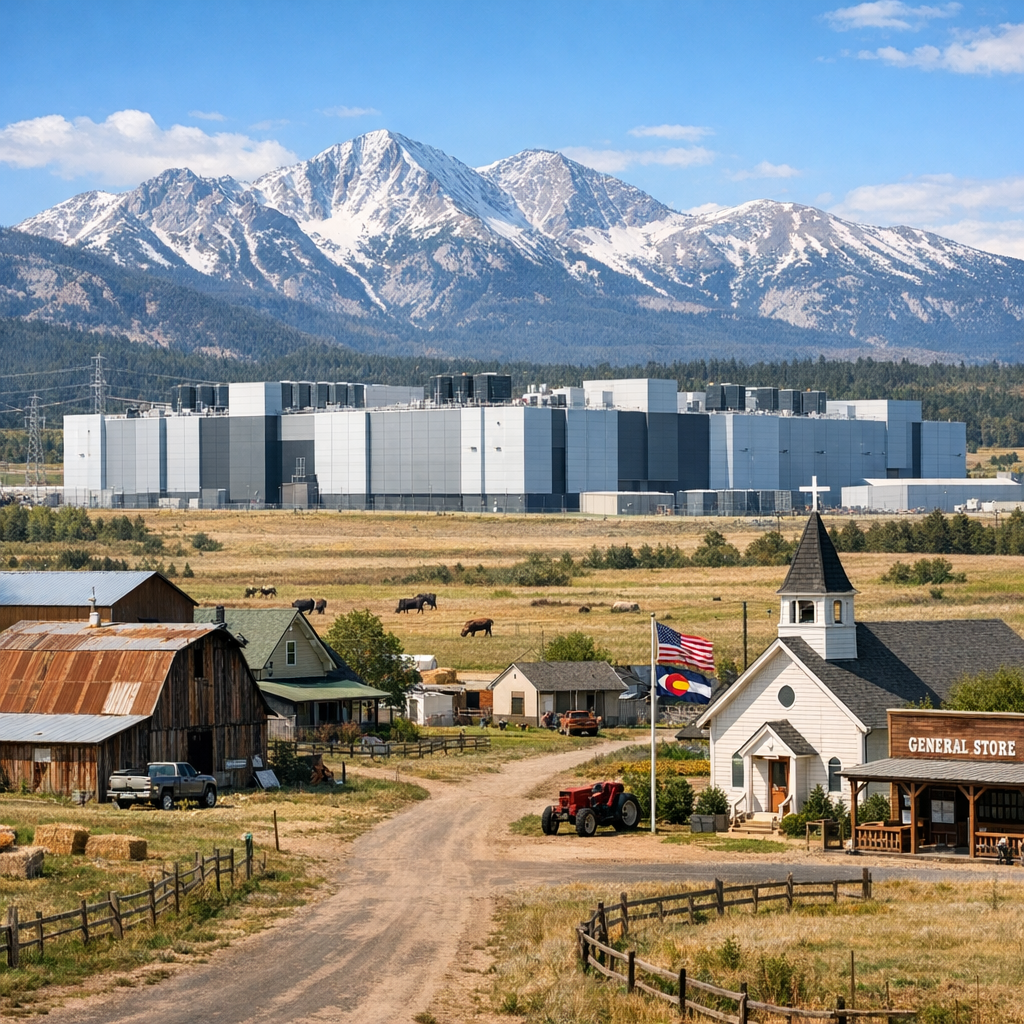
Artificial Intelligence (AI) is rapidly transforming industries and communities worldwide. While urban centers often lead in AI adoption, rural areas like Alma, Colorado, are beginning to experience both the opportunities and challenges that come with this technological shift.
AI’s Economic Potential in Rural Communities
AI offers significant economic opportunities for rural areas. For instance, AI-driven platforms can enhance local businesses by optimizing operations and reaching broader markets. In Colorado, startups like Ridley are leveraging AI to revolutionize industries such as real estate, providing homeowners with tools to sell properties independently, thereby reducing reliance on traditional agents.
Infrastructure and Resource Considerations
The development of AI infrastructure, particularly data centers, has become a focal point in rural regions. These facilities promise job creation and increased tax revenues. However, they also raise concerns about environmental impact, including energy consumption and water usage. A report by the Brookings Institution highlights that while data centers can boost local economies, they may also strain resources and require careful planning to balance benefits and drawbacks.
Addressing the Urban-Rural AI Adoption Gap
Despite AI’s potential, a significant adoption gap exists between urban and rural areas. A Microsoft report indicates that nearly one-third of urban residents use AI, compared to only 16.2% in rural regions. This disparity could exacerbate existing economic inequalities. Bridging this gap necessitates targeted efforts to improve digital literacy, infrastructure, and access to AI technologies in rural communities.
AI’s Role in Rural Healthcare
Healthcare is another sector where AI can make a substantial impact in rural areas. AI applications, such as predictive analytics and telemedicine platforms, can enhance healthcare accessibility and quality. However, challenges like limited infrastructure and the need for AI literacy training among healthcare providers must be addressed to fully realize these benefits.
Moving Forward: Community Engagement and Policy Development
For rural communities like Alma to harness AI’s potential, proactive engagement and policy development are essential. This includes investing in digital infrastructure, providing education and training programs, and involving community members in decision-making processes related to AI initiatives. By doing so, rural Colorado can navigate the complexities of AI integration and ensure that its benefits are equitably distributed.