

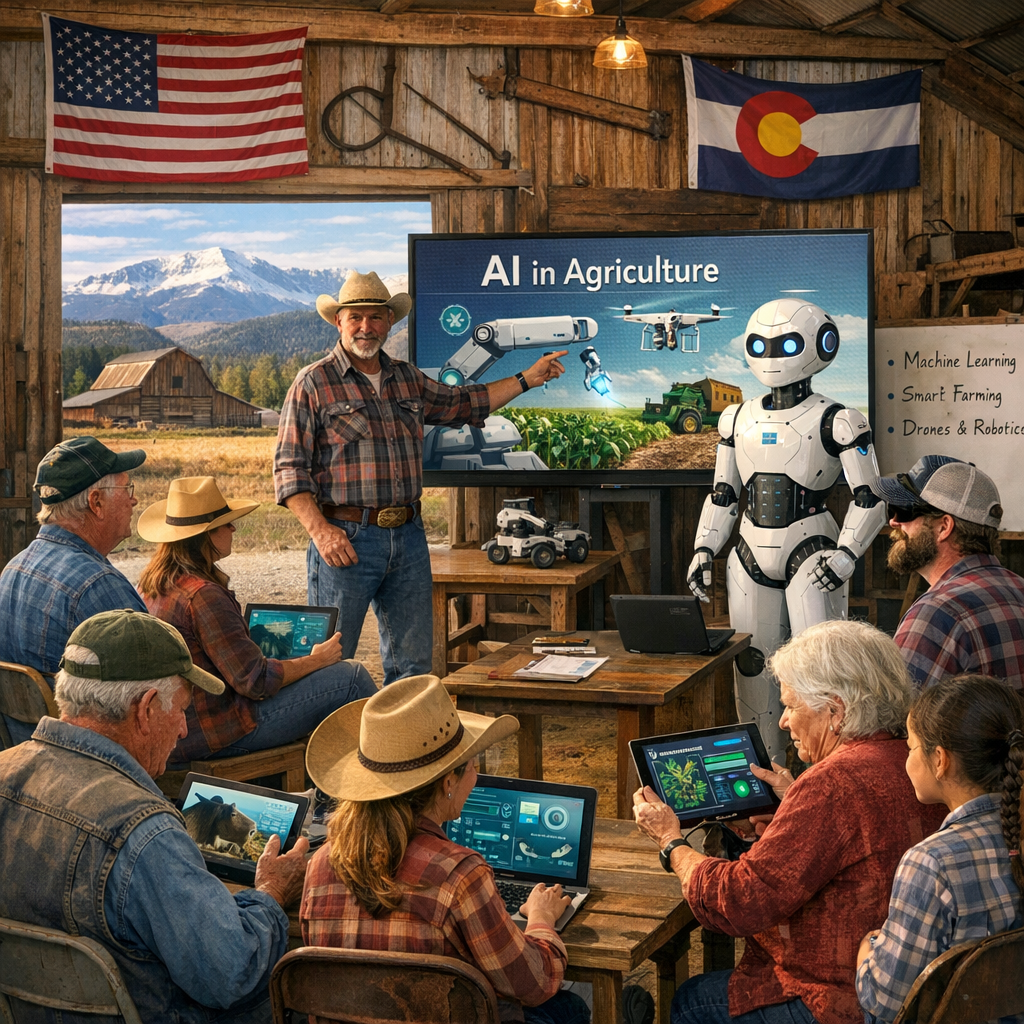
Artificial Intelligence (AI) is no longer confined to urban tech hubs; it’s making significant inroads into rural communities, including those in Colorado. This technological shift offers promising opportunities to address longstanding challenges in education, healthcare, and economic development.
Enhancing Education Through AI
Rural schools often face resource constraints, limiting access to advanced educational tools. AI-driven platforms can bridge this gap by providing personalized learning experiences and automating administrative tasks, allowing educators to focus more on teaching. However, successful integration requires adequate infrastructure and training to ensure both teachers and students can effectively utilize these technologies.
Revolutionizing Healthcare Access
Healthcare accessibility remains a pressing issue in rural areas. AI-powered telemedicine services can connect residents with medical professionals, reducing the need for long-distance travel. Additionally, AI algorithms can assist in early diagnosis and treatment planning, improving patient outcomes. For instance, AI applications in medical imaging can help detect conditions at earlier stages, facilitating timely interventions.
Stimulating Economic Growth
AI startups are also contributing to economic revitalization in rural Colorado. Companies like Optimo AI, based in Denver, are developing AI solutions that can be tailored to the needs of rural businesses, enhancing operational efficiency and competitiveness. By adopting AI technologies, local enterprises can optimize supply chains, predict market trends, and improve customer engagement.
Challenges and Considerations
Despite the potential benefits, integrating AI into rural communities is not without challenges. Infrastructure limitations, such as inadequate internet connectivity, can hinder the deployment of AI solutions. Additionally, there is a need for targeted training programs to equip residents with the necessary skills to interact with and benefit from AI technologies. Collaborative efforts between government agencies, educational institutions, and private sector partners are essential to address these barriers.
Looking Ahead
The future of AI in rural Colorado is promising. With strategic investments and community engagement, AI can serve as a catalyst for positive change, enhancing the quality of life and economic prospects for residents. As AI continues to evolve, it is crucial to ensure that its deployment is inclusive, addressing the unique needs and challenges of rural communities.